F1 2026 Regulations Explained: Everything That Changes
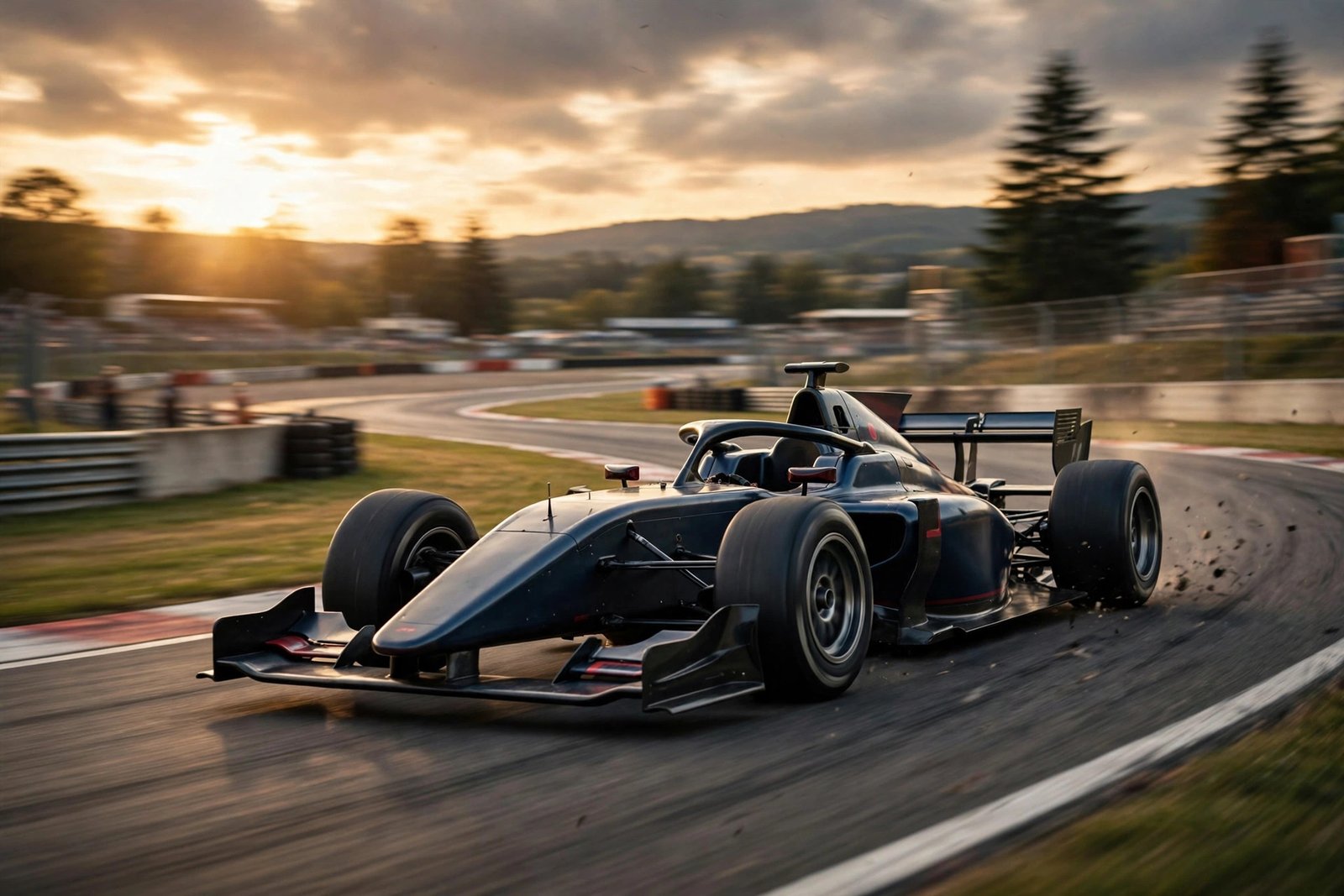
Formula 1 is about to change more radically than at any point in a generation. The 2026 regulations rip up both the chassis and power unit rulebooks at once — new cars, new engines, new aero, and a shake-up that could reorder the grid. Here is everything that changes, and why it matters.
Smaller, lighter, nimbler cars
The 2026 cars will be notably smaller than today's behemoths: shorter wheelbases, narrower track, and a minimum weight cut of around 30kg. Active aerodynamics arrive too — movable front and rear wings replace DRS, with drivers able to switch between high-downforce cornering mode and a low-drag straight-line mode. The aim is closer racing and cars that can actually follow each other through fast corners.
2026 F1 car concept
The power unit revolution
The engines are the biggest story. The new formula keeps the 1.6-litre V6 turbo hybrid layout but dramatically rebalances it: electrical power rises to around 470hp, roughly matching the combustion engine's output for a total near 1,000hp. The complex MGU-H is gone — good riddance, say the cost-cappers — and the fuel will be 100% sustainable.
This has tempted new manufacturers in: Audi arrives as a full works team, while Ford partners with Red Bull Powertrains and Honda returns in partnership with Aston Martin. More engine suppliers means more competition — and more ways for the established order to be upset.
What it means for the racing
Expect the unexpected, at least at first. Big regulation changes historically scramble the pecking order — think Brawn in 2009 or Mercedes in 2014. Energy management will become a far bigger part of racecraft, with drivers harvesting and deploying electrical energy strategically rather than just pressing an overtake button.
There are risks. The FIA has had to balance the electrical demands carefully to avoid cars running out of deployment on long straights — nobody wants processional races decided by battery meters. The active aero is designed to compensate, keeping overtaking possible without the artificiality of DRS.
The bottom line for fans
Cars that are smaller, lighter and louder in character (if not in decibels), a more level playing field, and new names at the front. The 2026 rules are the biggest gamble F1 has taken in decades — and if history is any guide, gambles like this produce the sport's most memorable eras.
Final thoughts: whether you love the tech or just love the racing, 2026 is the season to pay attention. New regulations mean new winners — and there is nothing in sport quite like watching the established order get turned upside down.
FAQ
When do the new F1 regulations start? The new chassis and power unit regulations take effect from the 2026 season.
How much power will 2026 F1 cars have? Around 1,000hp combined, split roughly evenly between the V6 turbo engine and the electric motor.
Which new manufacturers are joining F1 in 2026? Audi joins as a full works team, Ford partners with Red Bull Powertrains, and Honda returns with Aston Martin.
Frequently Asked Questions
When do the new F1 regulations start?
The new chassis and power unit regulations take effect from the 2026 season. Both rulebooks are being ripped up at once — the biggest shake-up in a generation.
How much power will 2026 F1 cars have?
Around 1,000hp combined, split roughly evenly between the 1.6-litre V6 turbo and the much more powerful electric motor. The fuel will be 100% sustainable.
Which new manufacturers are joining F1 in 2026?
Audi arrives as a full works team, Ford partners with Red Bull Powertrains, and Honda returns in partnership with Aston Martin. More engine suppliers should mean closer competition.
Will the 2026 rules change the pecking order?
History suggests so — big regulation changes have repeatedly scrambled the grid, from Brawn in 2009 to Mercedes in 2014. Energy management will also become a far bigger part of racecraft.
Related Posts
 Performance
2026 Porsche 911 Turbo S Revealed With 701hp Hybrid Power
Porsche has revealed the 2026 911 Turbo S with a new hybrid powertrain producing 701hp — making it the most powerful production 911 ever built.
 Performance
7 Best Performance Cars Under £20,000
If you're looking for the best performance cars under £20,000, you're in a golden era. The UK used car market is full of fast, well-engineered cars that deliver serious speed, sharp handling, and everyday usability — without supercar prices.
 Performance
Best Sports Cars for Weekend Driving
If you're looking for a car that exists purely to put a smile on your face, a weekend sports car is hard to beat.