How to Check a Used Car Before Buying: 12-Point Guide
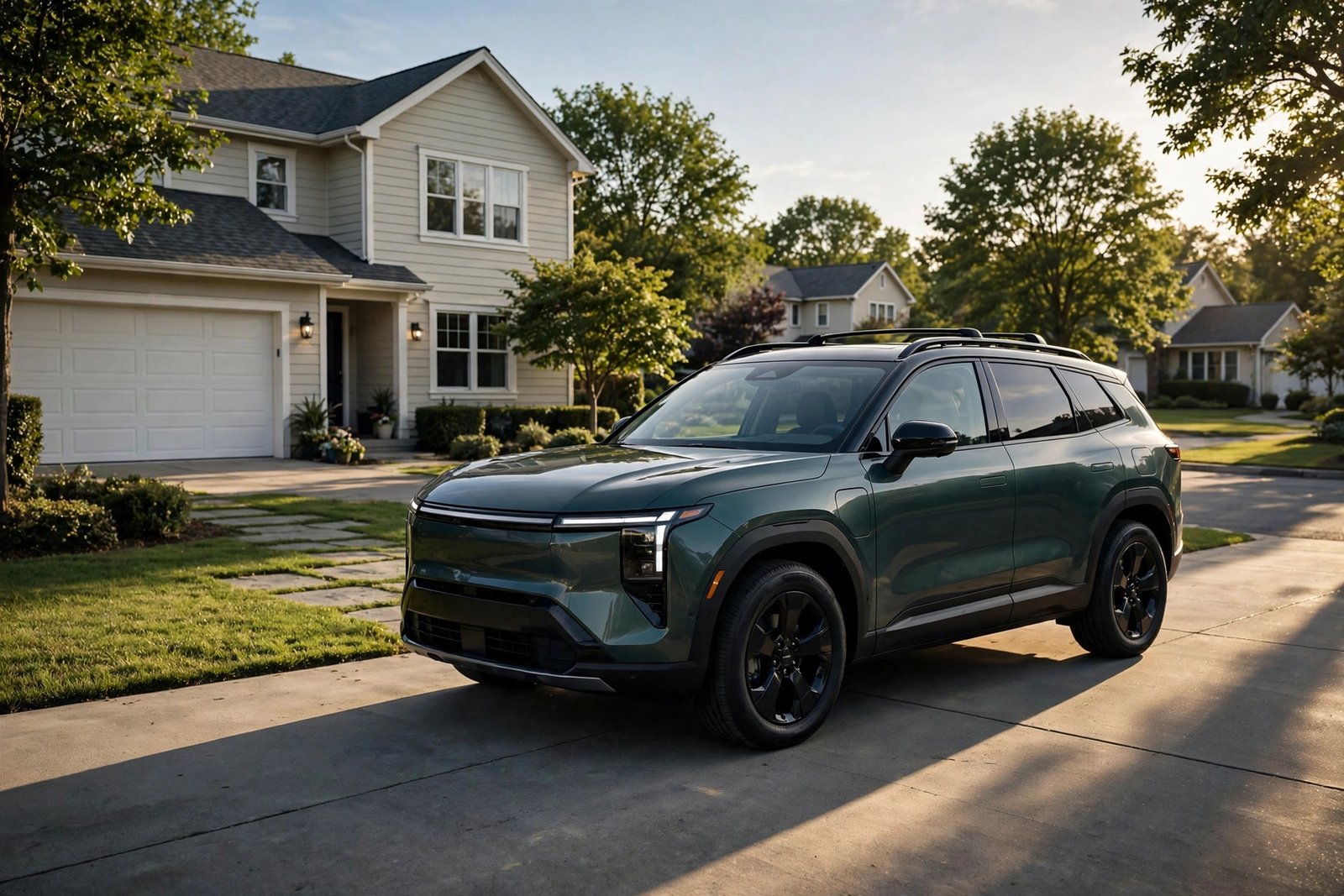
Buying a used car is one of the biggest purchases most of us make — and one of the easiest to get wrong. A shiny paint job can hide a multitude of sins, and a smooth-talking seller can hide even more. Follow this 12-point checklist before you hand over a penny, and you will avoid the vast majority of used-car disasters.
Print it out, take it with you, and work through it methodically. The whole process takes about an hour — the best hour you will spend in the entire buying process.
| Model | Price | Power | 0–62 mph | Range |
|---|---|---|---|---|
| Ford Fiesta 1.25 Zetec (2015) | from £5,000 (used) | 81 bhp | 13.3s | – |
| Volkswagen Golf 1.5 TSI (2019) | from £11,000 (used) | 148 bhp | 8.5s | – |
| Toyota Corolla 1.8 Hybrid (2020) | from £14,000 (used) | 138 bhp | 10.9s | – |
| Honda Civic 1.5 VTEC (2018) | from £10,000 (used) | 180 bhp | 8.2s | – |
| Mazda 3 2.0 SkyActiv (2019) | from £10,500 (used) | 178 bhp | 8.2s | – |
| *Figures are manufacturer estimates; prices on-the-road incl. VAT, Oct 2026. | ||||
1. Check the paperwork first
Ask for the V5C logbook, service history and MOT certificates before anything else. The name and address on the V5C should match the seller, and the service book should show regular stamps — ideally from a main dealer or reputable independent. Gaps in history are a red flag, not a mystery to be solved later.
2. Run a history check
A paid HPI-style check reveals outstanding finance, insurance write-offs, mileage discrepancies and stolen markers. It costs around £20 — the cheapest insurance you will ever buy. Never skip this step.
3. Inspect the bodywork in daylight
Always view the car in daylight, never in the rain or under artificial light. Walk around slowly, looking down each panel for ripples that suggest accident repair. Check panel gaps are even, and look for overspray on window seals — the classic sign of a cheap respray.
4. Look underneath for rust
Get on your knees. Surface rust on suspension components is normal, but rotten sills, subframes or floor pans are not. Poke suspicious areas gently — if your finger goes through, walk away. Cars from coastal areas or Scotland deserve extra scrutiny.
5. Check the tyres
Tyres tell a story. Uneven wear across the tread suggests tracking or suspension issues; feathered edges point to alignment problems. All four should be a reputable brand with at least 3mm of tread — a full set of budget ditch-finders on a performance car is a warning sign.
6. Start it from cold
This is crucial: insist the engine is stone cold when you arrive. A warm engine can hide starting problems, rattly timing chains and smoking turbos. Watch the exhaust on start-up — blue smoke means burning oil, white smoke that persists means coolant trouble.
7. Listen and feel on the test drive
Drive for at least 20 minutes, covering town, A-road and motorway. Listen for knocks over bumps (worn suspension), whines that change with speed (wheel bearings or gearbox), and check the clutch bite point — if it is at the very top of the pedal travel, a replacement is looming.
8. Test every electrical item
Work through everything: windows, mirrors, air conditioning (it should blow ice-cold), heated screens, sat-nav, parking sensors, and every warning light on the dashboard. Electrical faults are fiddly and expensive — a car with five small electrical niggles is telling you how it has been maintained.
9. Check for warning lights
With the ignition on but the engine off, all warning lights should illuminate, then extinguish once started. Any light that stays on — engine management, ABS, airbag — needs professional diagnosis. And beware the seller who says "it's just a sensor" — sensors cost money too.
10. Verify the mileage
Does the wear match the miles? A car showing 40,000 miles with a shiny steering wheel, worn driver's bolster and tired pedal rubbers is lying to you. Cross-reference the odometer with MOT history, which is free to check online.
11. Look at the fluids
Check the oil on the dipstick — it should be golden-brown, not black sludge or milky (milky means coolant mixing with oil: run away). Coolant should be clean and at the correct level, and there should be no leaks underneath where the car is parked.
12. Get a professional inspection
If you are spending serious money, pay £150–£200 for an independent inspection from the AA, RAC or a marque specialist. They will put the car on a ramp and spot what you cannot. On a £15,000 purchase, it is 1% of the price for total peace of mind.
Checking a used car on a ramp
Use what you find
Every fault you find is negotiating leverage — or a reason to walk away. Worn tyres? That is £400 off. Service overdue? Another £200. Add up the remedial work, present the seller with the total, and watch the price move. But know your red lines: structural rust, signs of a major accident, outstanding finance the seller cannot clear, or a story that keeps changing. Some cars are cheap for a reason, and no bargain is worth buying someone else's write-off.
Final thoughts: the golden rule of used car buying is simple — be prepared to walk away. There is always another car. A careful hour with this checklist will save you from the heartbreak (and the repair bills) of buying someone else's problems.
FAQ
What is the most important check when buying a used car? A history check for outstanding finance and write-off status, combined with a cold start and a proper test drive, catches most serious issues.
Should I get a used car inspected before buying? Yes — for any car costing more than a few thousand pounds, a professional inspection is money well spent.
Is it safe to buy a used car privately? It can be, but you have fewer legal protections than buying from a dealer. Be extra thorough with the paperwork and history checks.
Frequently Asked Questions
What is the most important check when buying a used car?
A history check for outstanding finance and write-off status, combined with a cold start and a thorough test drive, catches most serious problems. It costs around £20 and is the cheapest insurance you will ever buy.
Should I get a used car inspected before buying?
Yes — for any car costing more than a few thousand pounds, an independent inspection from the AA, RAC or a marque specialist typically costs £150–£200. On a £15,000 purchase, that is 1% of the price for real peace of mind.
Is it safe to buy a used car privately?
It can be, but you have fewer legal protections than buying from a dealer, so be extra thorough with the paperwork and history checks. Always view in daylight, verify the V5C matches the seller, and be prepared to walk away.
What red flags should make me walk away?
Structural rust, signs of a major accident, outstanding finance the seller cannot clear, or a story that keeps changing. There is always another car — some bargains are cheap for a reason.
Related Posts
 Car Buying guides
7 Best Electric SUVs to Buy in 2026
From the benchmark Tesla Model Y to the bargain MG ZS EV, these are the seven electric SUVs we would actually spend our own money on in 2026.
 Car Buying guides
10 Used Hot Hatches That Are Still Worth Buying
Hot hatches have always been the perfect choice for UK roads — fast, practical, fun to drive, and much cheaper to run than traditional sports cars.
Car Buying guides6 Best Family Cars for Safety and Reliability
When it comes to choosing a family car, safety and reliability are paramount. Parents want peace of mind on long commutes, school runs, and road trips, while also needing practical features for everyday life.